1%) (Figure 1). In contrast, from January to June 2019, more than one in 10 (11%) grownups reported symptoms of stress and anxiety or depressive disorder. In addition, a current study found that 13. 3% of adults reported new or increased substance usage as a method to handle tension due to the coronavirus; and 10.
As an initial response to the coronavirus crisis, the majority of state and city governments needed closures of non-essential businesses and schools and stated compulsory stay-at-home orders for all but non-essential workers, which typically included forbiding big events, requiring quarantine for travelers, and motivating social distancing. States are now in the process of re-opening, which has actually been followed by numerous seeing a revival in coronavirus cases.
A broad body of research study links social isolation and isolation to both poor mental and physical health. Previous U.S. Cosmetic Surgeon General Vivek Murthy has brought attention to the widespread experience of isolation as a public health issue in itself, pointing to its association with reduced life-span and higher threat of both mental and physical health problems (Dr.
In addition, studies of the mental impact of quarantine throughout other illness break outs suggest such quarantines can lead to negative psychological health outcomes. There is Drug Rehab Facility specific issue about self-destructive ideation during this time, as seclusion is a danger aspect for suicide. In the KFF Tracking Poll performed in late March, quickly after lots of stay-at-home orders were released, we found that 47% of those sheltering-in-place reported unfavorable mental health impacts arising from worry or tension related to coronavirus (Figure 2).
Of those sheltering-in-place, 21% reported a major negative effect on their psychological health from stress and fret about coronavirus, compared to 13% of those not sheltering-in-place. In order to assist slow the spread of coronavirus, almost every state in the U.S. closed schools for the rest of 2019-2020 school year, which affected 30 million students, and, subsequently, their moms and dads or guardians.
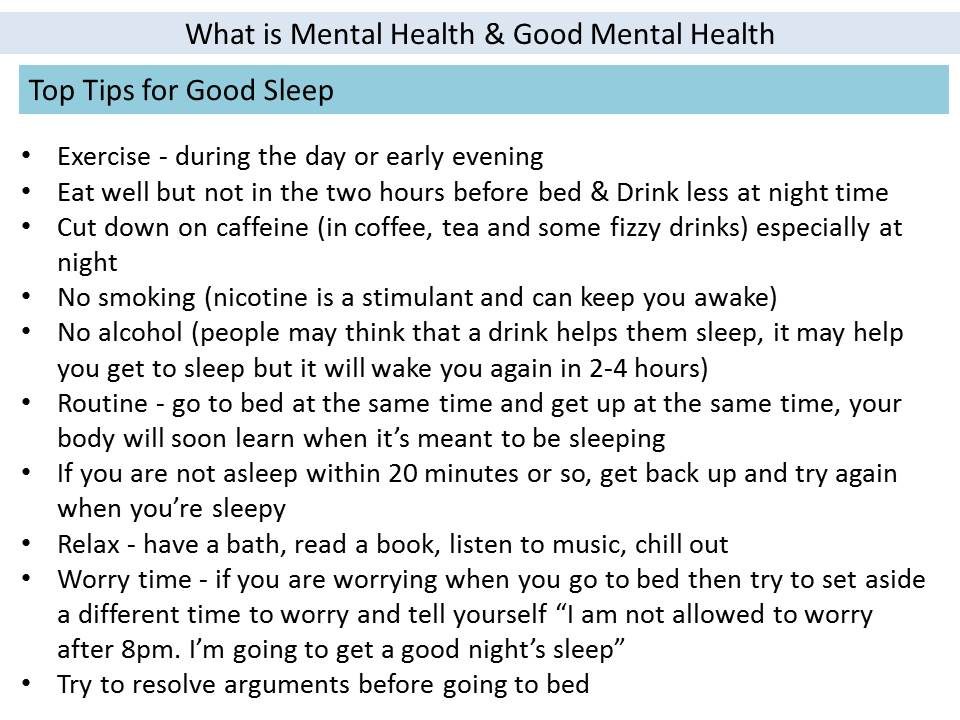
The Definitive Guide for How Does Sleep Affect Your Mental Health
These continuous closures might affect households beyond a disturbance in their kid's education. Assistance from the Centers for Illness Control and Prevention (CDC) concerning long-lasting school closures mentions that trainees depending upon school services such as meal programs and physical, social, and psychological health services will be impacted and that mental health issues might increase among trainees due to fewer chances to engage with peers.
With long-lasting closures of schools and childcare centers, lots of parents are experiencing ongoing disruption to their everyday regimens - how does mental illness affect physical health. KFF Tracking Polls performed following extensive shelter-in-place orders discovered that over half of women with children under the age of 18 have actually reported unfavorable impacts to their mental health due to stress and worry from the coronavirus.
In the current, mid-July KFF Tracking survey, 49% of males with children under the age of 18 reported this negative influence on mental health.3 KFF Tracking Surveys have actually also discovered that, in general, females more frequently report negative mental health effects due to fret and worry from the coronavirus than males (57% vs.
Similar trends by gender are seen in Household Pulse Survey findings from April to July, with ladies more most likely to report symptoms of stress and anxiety or depressive disorder than males over this duration (44. 6% vs. 37. 0%, respectively, for the week of July 16-21). Existing mental disorder among teenagers might be intensified by the pandemic, and with school closures, they do not have the exact same access to key mental health services.
Suicidal ideation is another major mental health risk amongst teenagers. While suicide is the tenth leading cause of deaths in general in the U.S., it is the 2nd leading cause of deaths amongst adolescents ages 12 to 17. Self-destructive ideas and suicide rates amongst teenagers have increased in time; the crude rate of suicide deaths among teenagers was 7.
About How Does Pain Affect Your Mental Health
3. 7 per 100,000 in 2008.5 In addition, substance use is an issue among adolescents. Research programs that compound usage amongst teenagers frequently happens with other risky habits and can lead to substance use issues in adulthood. In 2017, more than one in 10 high school trainees reported ever utilizing illegal drugs (14%) or ever misusing prescription opioids (14%).
Many deaths due to COVID-19 have been among long-term care residents. Due to the increased vulnerability to coronavirus amongst older grownups, it is particularly important for this population to practice social distancing, to name a few security measures. These measures may restrict their interactions with caretakers and loved ones, which might lead to increased sensations of isolation and anxiety, in addition to basic sensations of uncertainty and worry due to the pandemic.
Nevertheless, older grownups were less most likely to report these negative mental health effects compared to adults ages 18 to 64. Likewise, information from the Home Pulse Study shows that, compared to younger age, older adults are less likely to report symptoms of anxiety or depressive condition. However, research likewise shows that older adults are currently at risk of poor mental health due to experiences such as solitude and bereavement.
Older grownups are especially at-risk for depression, which is typically misdiagnosed and undertreated within this population. The frequency of depression increases for those who require house healthcare or are medical facility patients. Suicidal ideation is an associated mental health threat amongst older grownups. In 2018, older adults accounted for almost one out of 5 suicide deaths (9,102 out of 48,344) in the U.S.; more than 80% of these suicides were among males.
The COVID-19 pandemic has actually caused millions of job losses across the country, and the U.S. formally got in an economic recession in February 2020. Although the joblessness rate in July (10. 2%) was below the pandemic's peak joblessness rate of 14. 7% in April, task gains have slowed - how does nutrition affect mental health. Research also reveals that task loss is related to increased anxiety, anxiety, distress, and low self-esteem; and may cause higher rates of substance usage condition.
Not known Factual Statements About How Does Diabetes Affect Mental Health
joblessness rate rose to 10% and was associated with increases in suicide rates. Data from recent KFF Tracking Surveys found that a higher share of families that lost income or work reported unfavorable psychological health impacts from worry or tension over the coronavirus than households that have actually not lost earnings or employment: 46% vs. Impairment Rights Commission [UK], Equal Treatment: Closing the Gap An Official Investigation into Physical Health Inequalities Experienced by Individuals with Learning Disabilities and/or Mental Illness (2006 ), 83. 137.212. 42. J. Hippisley-Cox, Y. Vinogradova, C. Coupland, and C. Parker. "Threat of Malignancy in Patients with Schizophrenia or Bipolar Affective Disorder," Archives of General Psychiatry 64 no.